Darjeeling days
A trip two years in the making.

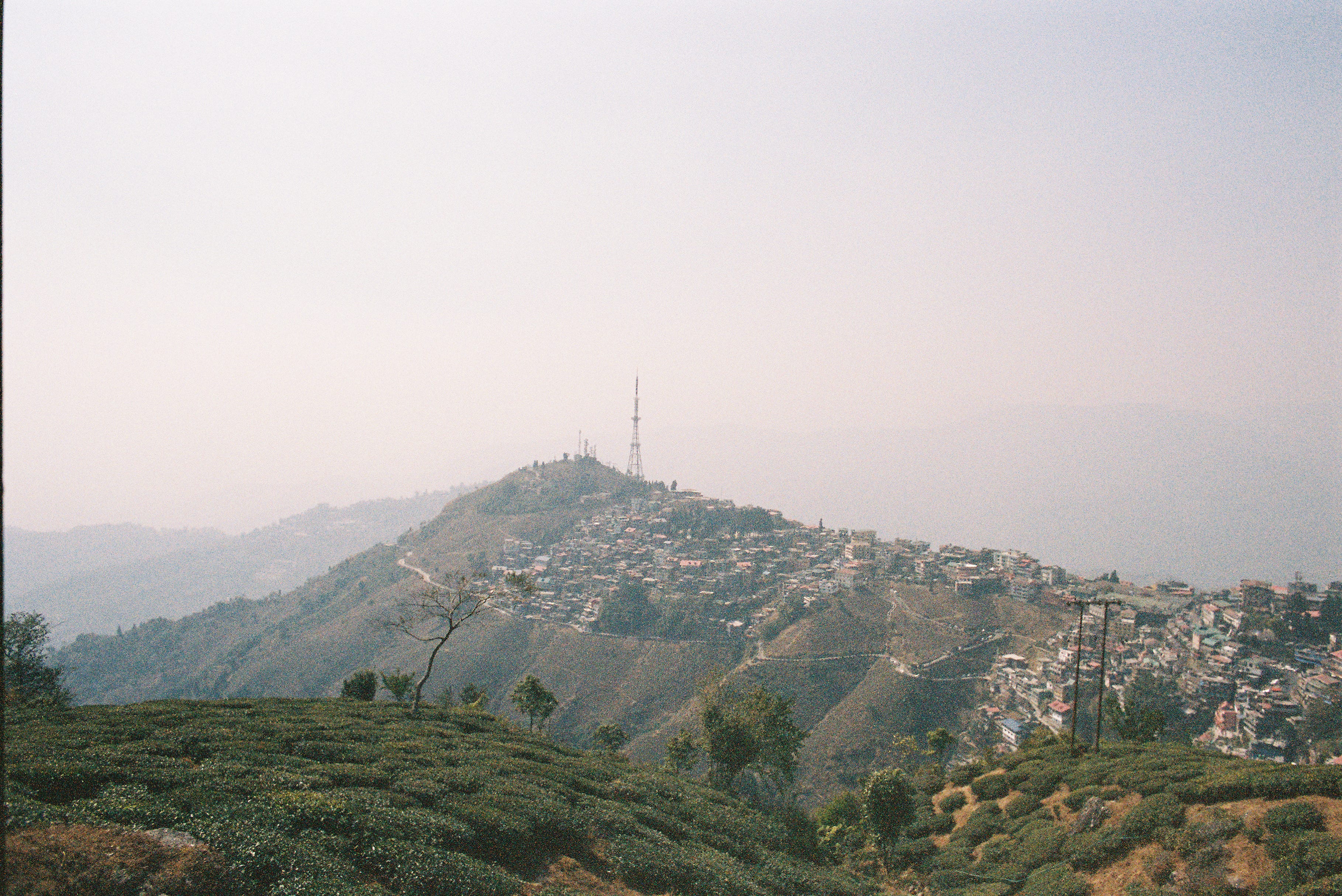
Darjeeling sits along the edge of the Himalayas in West Bengal, India. Close enough to Nepal that my phone buzzed with a “welcome to Nepal” text at one point on the drive. Close enough to Bangladesh that you feel the geography of the subcontinent compressing around you. It’s where some of the most prized teas in the world come from. And what makes tea from Darjeeling special is a mix of the plant, the climate, and the long history of tea growing in the region.
There are two main varietals of the tea plant—Camellia sinensis “assamica”, the Indian varietal that grows well in flatlands, and Camellia sinensis “sinensis”, the Chinese varietal that prefers cooler, higher elevation. In Darjeeling, despite being in India, the Chinese “sinensis” varietal is grown. On the palate, it has more depth and a wider range that can be brought out in myriad ways from seasonal variations to processing techniques. During the spring picking, or first flush, Darjeeling teas are light and delicate, almost green-tasting. The first flush has historically been the most celebrated, partly because of its taste, and partly because in the days before quick global shipping routes it was the first fresh tea anyone had access to after a long winter. The British actually built faster ships in part to get Darjeeling first flush from Calcutta to the London auction houses to fetch top dollar. But my personal taste tends toward the second flush, which is what we source and sell at Raazi.
The drive in
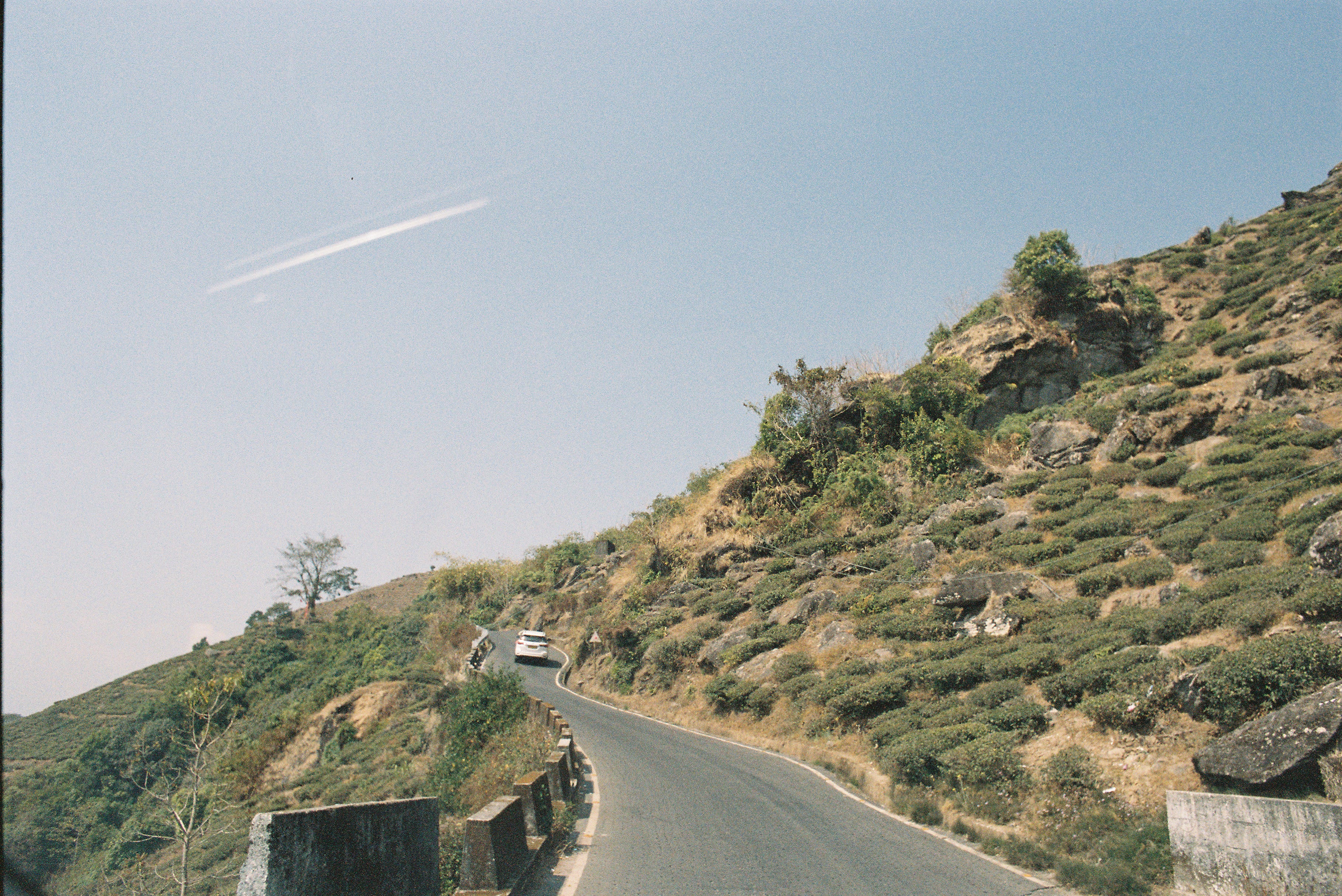
One of the things I wasn’t expecting to feel on this trip was how much of the India I remember from childhood was still there, just not in the cities. My parents grew up in Delhi and Hyderabad, which have changed dramatically over the years and are completely urban now. The India I remember as a kid–with cows wandering through traffic and dirt roads and kids playing cricket in the middle of everything–mostly lives in my memories. But landing in Bagdogra and driving up into the hills, all of it came back. Livestock roam the streets and there was a steady increase in MPSK (monkeys per square kilometer) as we got higher into the hills. It put a real smile on my face.
We checked into the hotel and spent the first day just being there. Despite growing up in India, my mom had never been to this part of the country either, and there was something really special about watching her take in a corner of the country that was new to her too.
The garden
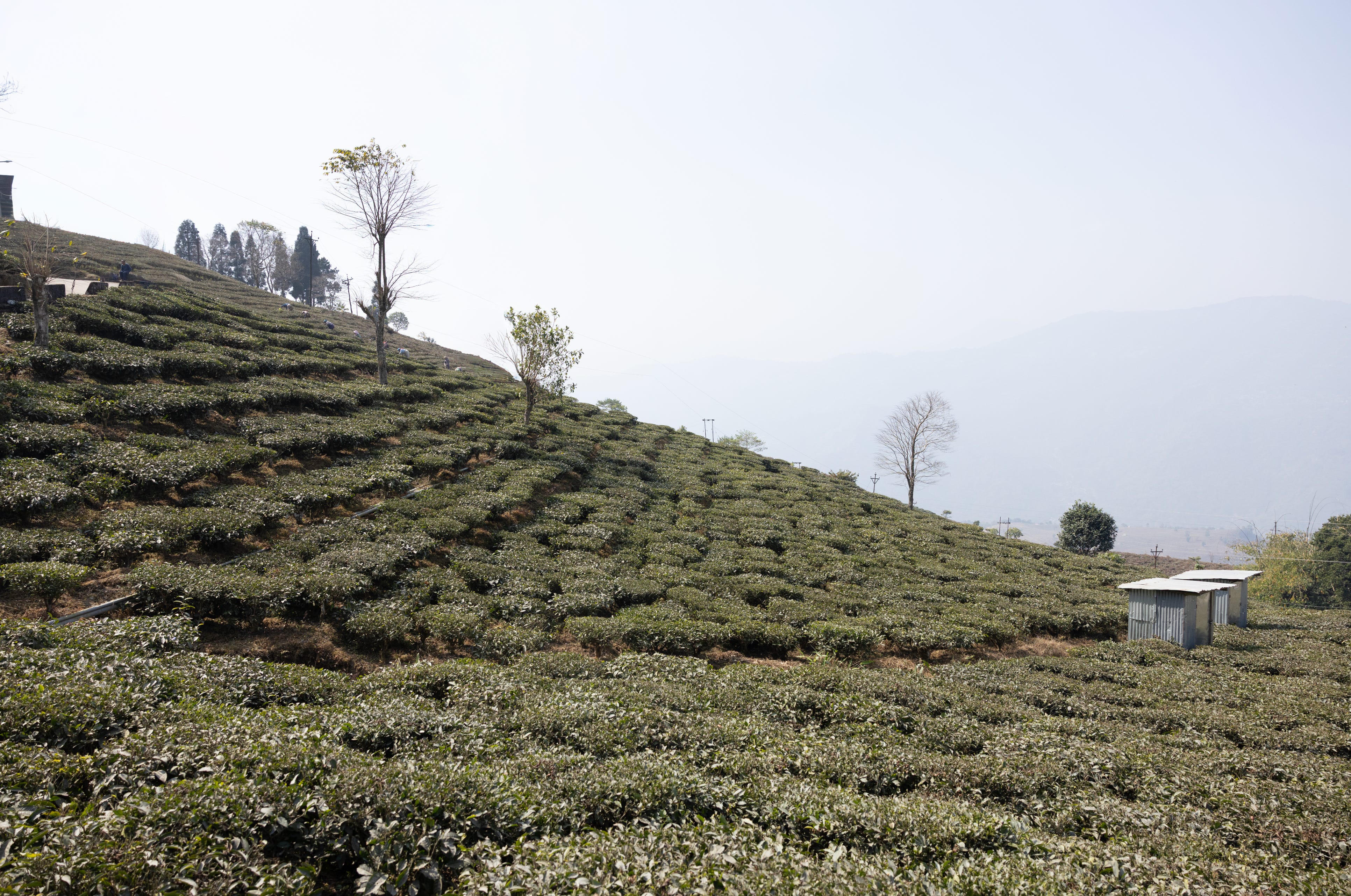
On the second day in Darjeeling I went out to one of the tea gardens to walk the rows and tour the facility.
Most of what I know about tea I’ve learned the same way you’d learn anything: books and research, as well as hundreds of tastings at home. Walking through the rows watching pickers move through the bushes, going through the withering troughs and the rolling machines and the drying floors in person give you a completely different relationship to and perspective of the information. Tasting a second flush twenty feet from where the leaves came off the plant is a completely different category of tasting. Anything at its source tastes unbelievably good, and beyond the flavor it gives you a kind of appreciation that’s hard to manufacture from my apartment in Brooklyn.
The other thing that hit me standing in the factory was a subtle but real shift in how I think of myself in relation to this industry. For two years I’ve felt like someone looking in from the outside trying to learn. This was the first time I felt truly enmeshed in what I was doing.
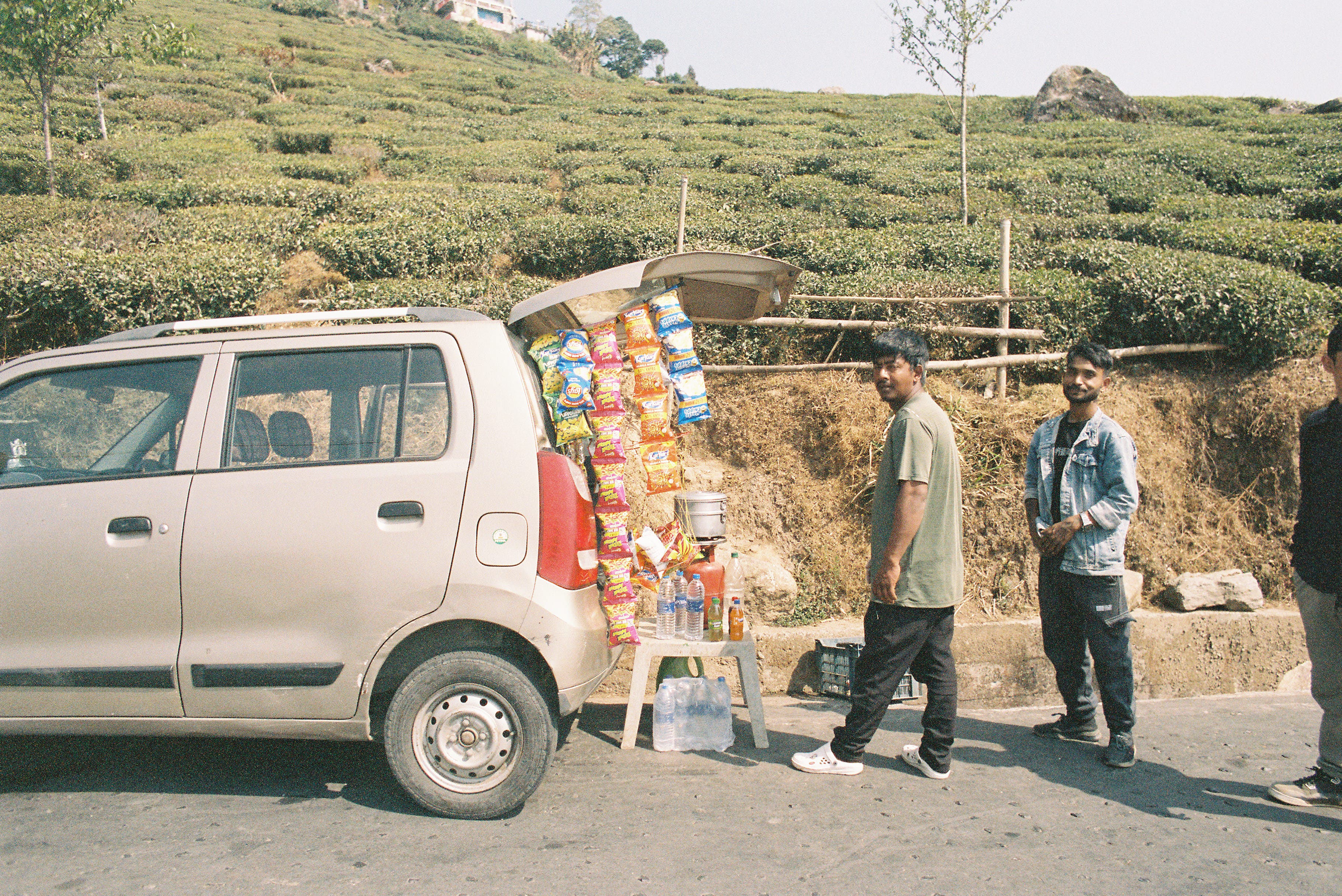
On the third day we traveled around to a few of the towns close to Darjeeling. Tea is the dominant industry across the whole region, so chai stalls are everywhere, sometimes as small storefront you can duck into and sometimes it’s a guy with a kettle on the back of a truck driving by. I made a point of stopping at as many as I could. Here I was thousands of miles away enjoying tea from the original chaiwalas, whose example I followed when starting Raazi.
The trip ended up being surprisingly productive. I was able to both learn a ton as well as make some progress on sourcing that’s harder to do from New York.
On top of that, it was a real treat to see India’s beauty for the first time in years. The light in the hills, the layered ridges, the bushes going on forever. Getting to explore new places and reconnect with my roots was the sort of thing I was hoping Raazi would help me do, and it was pretty special to have at least that part of the business realized. I’m excited to keep visiting the places our teas come from. Making friends, learning more, and bringing a little of each of those places (and a lot of the tea) back with me.
The most convincing part is the shift from knowing tea through books and tastings to standing among the plants and people who make it. A place becomes more than a source once you spend enough time with its work, weather, and ordinary rhythms.
What an incredible journey! The first picture especially looks similar to San Francisco. Any book on tea you'd recommend for those who want to learn more?