Chaiwala 🫖
Chloe Pendergast on middle school home videos and sourcing local herbs.


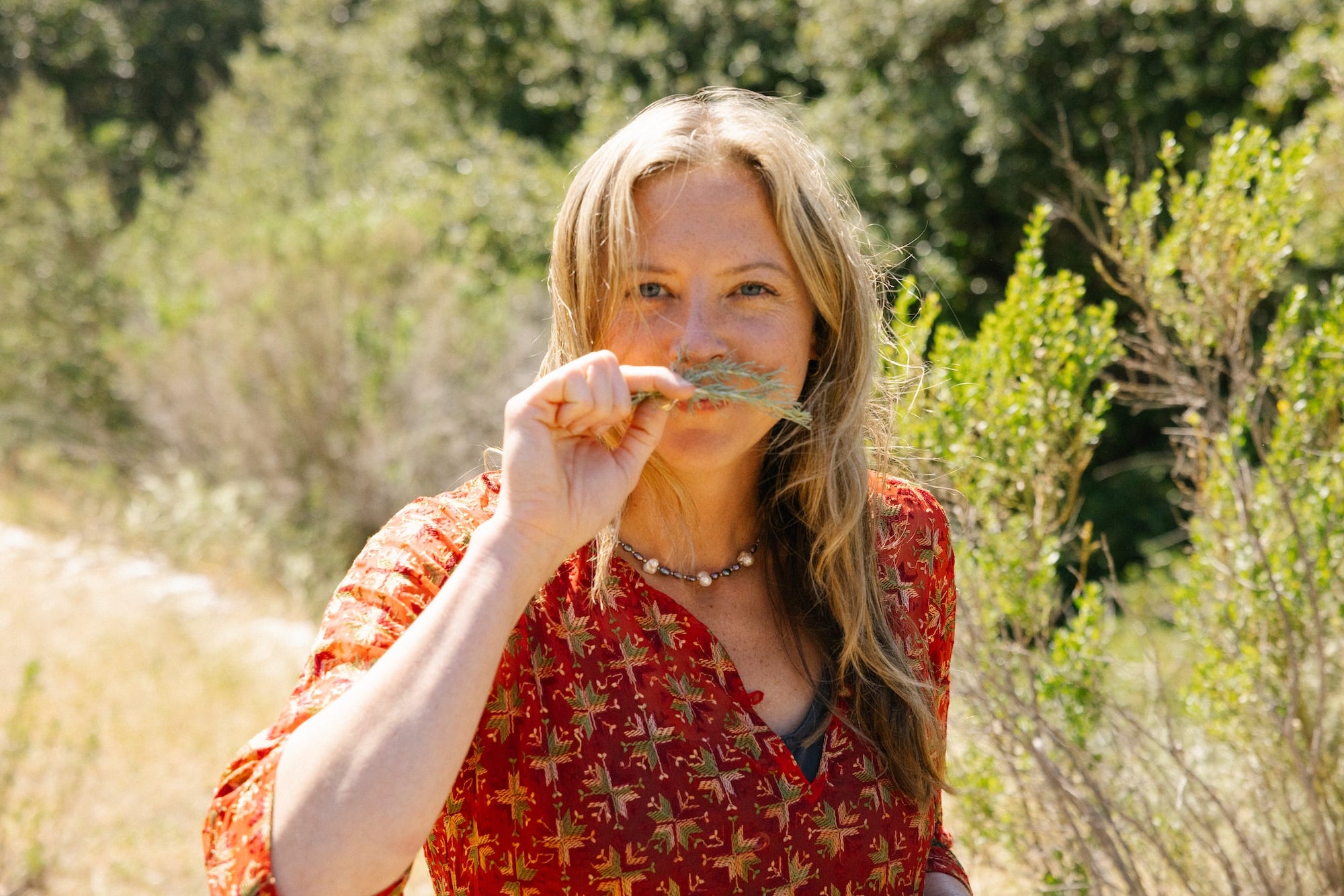
Chloe Pendergast
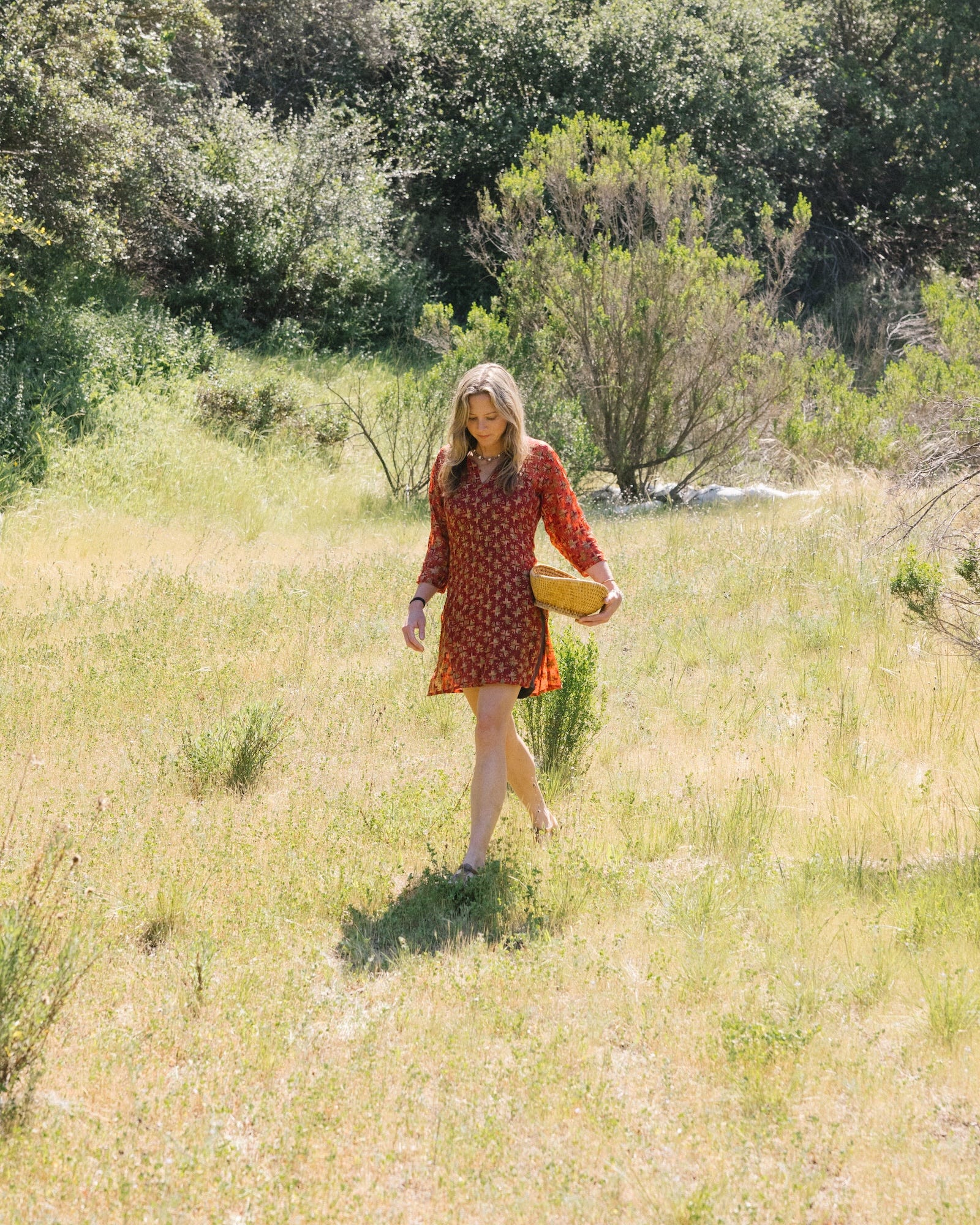
Chloe Pendergast is a private chef based in Los Angeles with a background in hospitality. Her curiosity for food began before she could speak—and hasn’t quieted since. Chloe’s work is rooted in the relationship between food and where it comes from, shaped by a life spent in kitchens, farms, and markets. When she’s not cooking for others, she’s slowing down with a cup of tea or fueling her curiosity by foraging the city and finding something new.
A: How do you take your tea?
C: Milk and honey—Assam black tea with wildflower honey and whole milk, to be exact. It’s nostalgic and so comforting. I also love buckwheat tea.
A: How did you first get into cooking?
C: As a baby, I was often found sitting in front of an open fridge, staring into it like it was a portal. When someone eventually closed it, I’d cry. In middle school (2007), my sister and I made home videos and turned our kitchen into the set for our “Pizza Shop.”
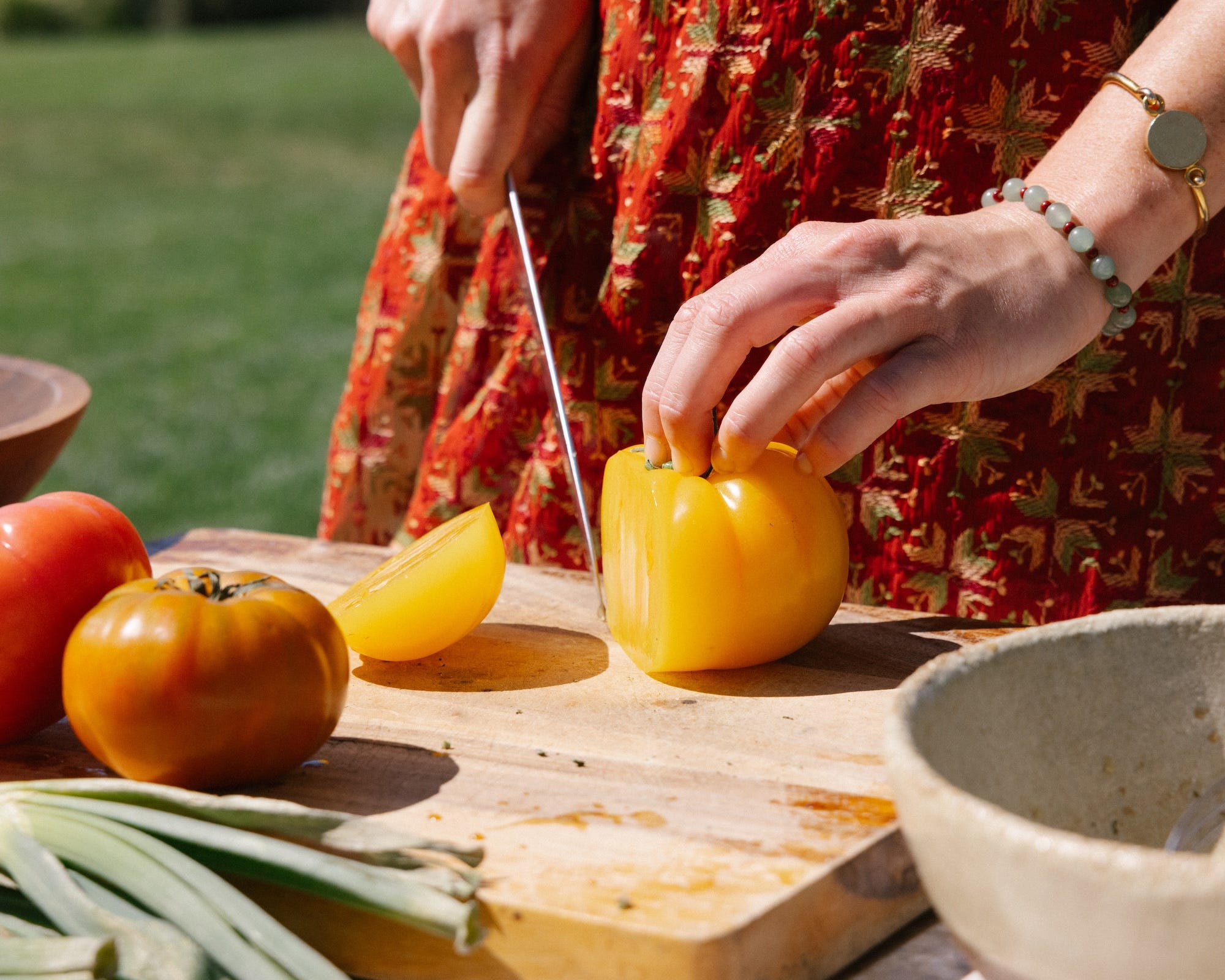
I studied hospitality in college, focusing on food & beverage, and spent a large part of my free time exploring Ithaca’s farms and markets and cooking at home. Since then, I’ve pursued a career in hospitality, mostly in kitchen-adjacent roles rather than as a cook.
During the pandemic, I started cooking every day and began weaving private cheffing into my work alongside full-time roles in hospitality development. It grew naturally out of cooking for friends. I’ve been doing both, on and off, for the past three years, and hope to bring them together more fully soon!
A: What role does tea play in your daily life or routines?
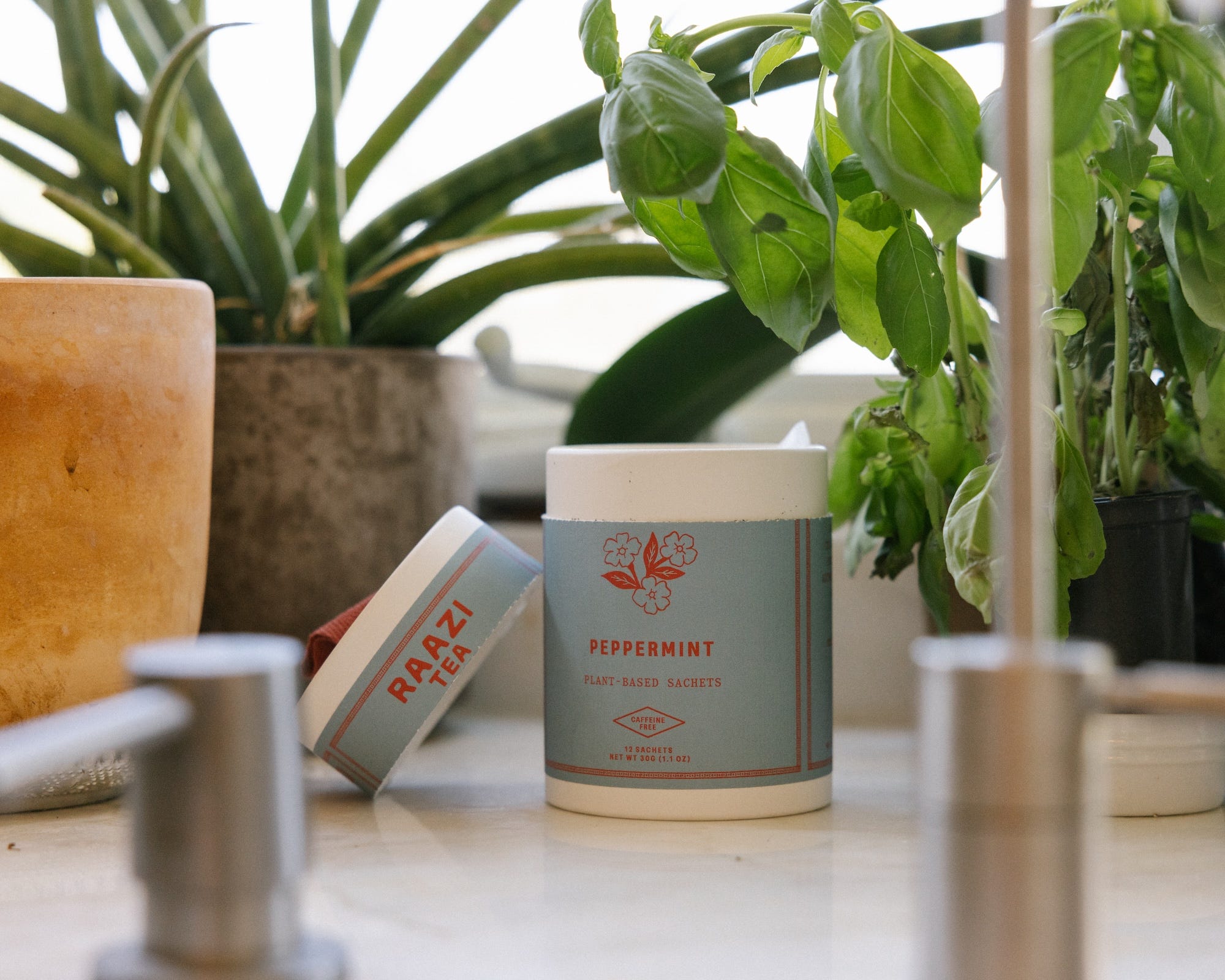
C: Nowadays, tea is how I wind down. I’m always on my feet and often work late, so a cup of tea helps me slow down and switch off into rest mode. Before bed, I usually drink herbal teas. Chamomile and peppermint (especially from Raazi) are my go-to.
It’s also become part of how I stay curious about food. It shapes the way I see plants and how I explore cities. The other weekend I stumbled into Wing Hop Fung, which has an incredible selection of dried herbs and teas I don’t come across often—osmanthus, silver needle, mulberry leaf, and all sorts of pu-erh teas.
A: Can you share your earliest memory of drinking tea and how it made you feel?
C: I ripped London Fogs (earl grey tea, milk, honey) in high school at the Coffee Bean on Coldwater. School was pretty rigorous, so I got into caffeine early. It made me feel sophisticated and energized, but also warm and cozy.
A: Is there a particular tea or tea moment that holds special meaning for you? Why?
C: Tea is special to me because it combines rich cultural tradition tied to place, health benefits, and a calming social experience. Beyond its flavor, it serves as a universally-recognized gesture of hospitality and daily ritual that fosters connection and a mindful pause in our busy lives.
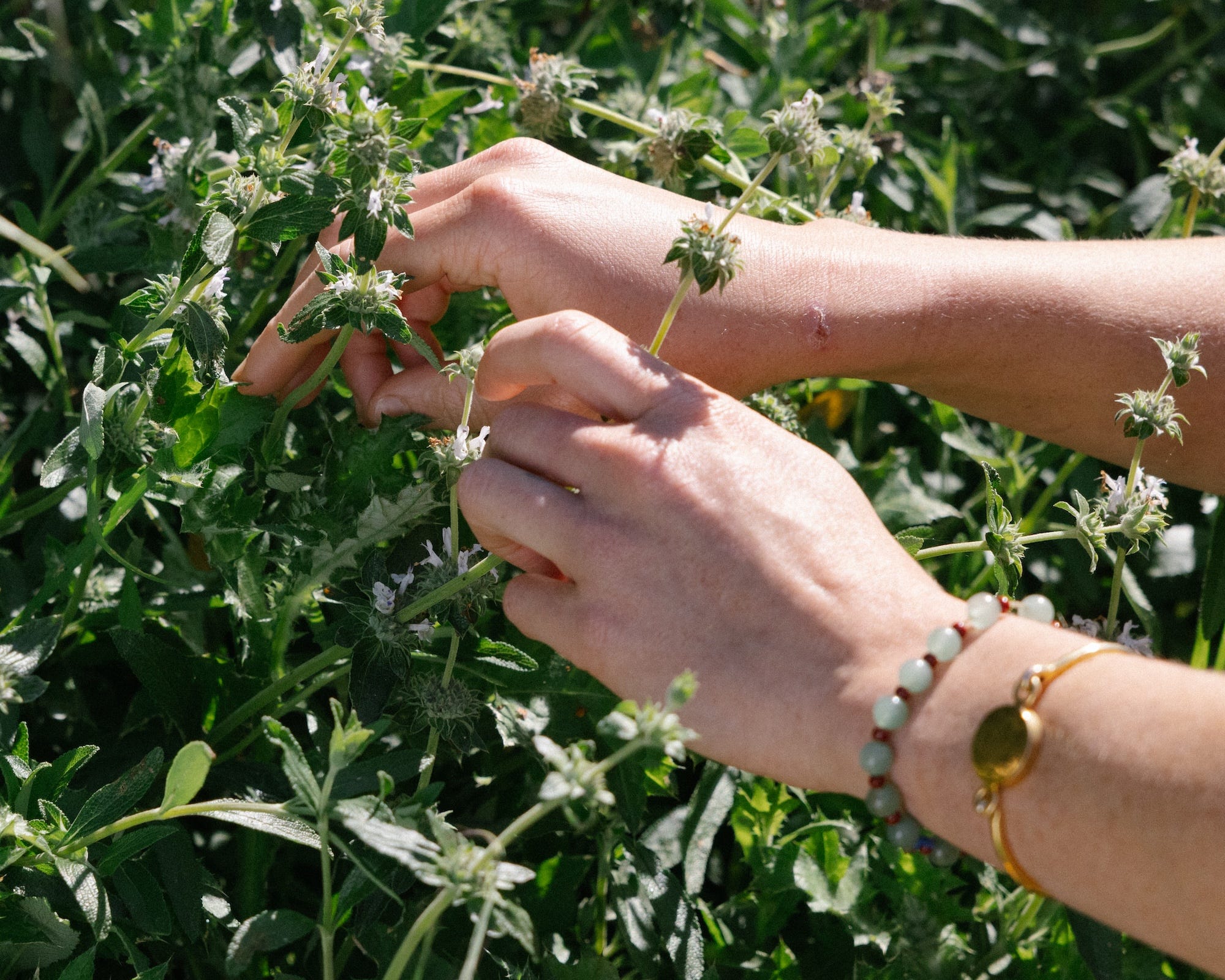
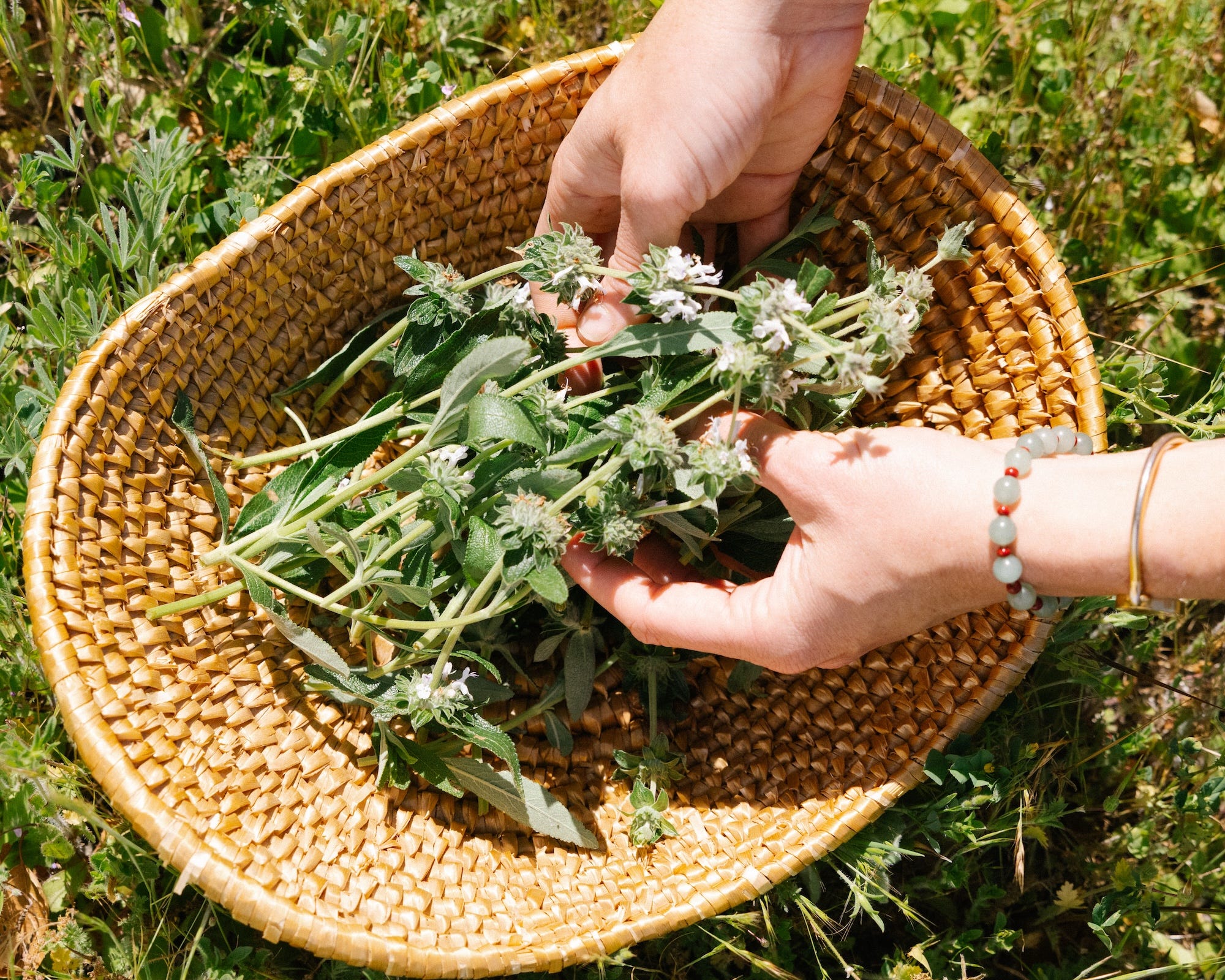
I’m especially drawn to the idea that herbal tea is everywhere. Here in California, we’re surrounded by so many plants with beautiful aromas and health benefits—white sage, yerba santa, bay leaf, pine, citrus leaves…
Places like Noma and Blue Hill have expanded the way people think about tea, but every culture has its own version of plant infusions, often tied to medicine, ritual or hospitality.
Using local plants—along with drying, roasting, or fermentation—tea becomes, like food, another expression of place.
A: If you could share a cup of tea with anyone—past, present, or fictional—who would it be, and why?
C: Alice Waters! She’s a legendary chef that takes a super deep approach to food. She opened Chez Panisse in Berkeley, California in 1971, which is often considered the first farm-to-table restaurant in the US. She’s also an author, educator, and leading voice in the slow food movement.
She’s been hugely influential in shifting how people think about food in its relationship to land, culture, and time, which is something that I really connect with. Her Edible School Yard Project uses organic gardening to teach children and now exists in over 1,000 schools.
I imagine a conversation about how taste develops culturally, and how simplicity can actually be quite complex. I’d also be curious to hear her perspective on the future of eating in the US.
A: Is there someone in your industry who you’re inspired by and wish more people knew about?
C: A dear friend, Donovan Ingram, is an incredibly interesting dude that runs the non-alcoholic beverage program at Blue Hill At Stone Barns. He’s always working with plants and grains in really thoughtful ways. He simultaneously started a brilliant concept with some friends called Rollo Dairy Bar, operating out of a 1958 trailer. They make playful “roadside American fare”— cheeseburgers, homemade ice creams, fermented soda, onion rings, and local vegetable sides. I’m obsessed with it.
Donny goes all in on whatever he is interested in, so there’s always something unexpected to learn from him. His passion is unlike any other. Plus, working with him is a joy—and so is being his friend.
“Chaiwala” is a series that explores the diversity of tea rituals across cultures. Through conversation and images, we’re hoping to capture how tea can shape our rituals, foster connection, and offer a moment of pause in our lives.
 | A guest post by
|